
Many teens often require braces from a young age to correct dental concerns which will help to eliminate future dental problems. However, adults can also opt for the treatment later in life, and 20% of people with braces are within this age bracket.
Braces can help to straighten out crooked or crowded teeth and restore a person’s confidence when they smile. Although, there are a few different variations of braces that perform differently based on the individual’s required treatment. Let’s explore the pros and cons of the traditional wire braces and the up-and-coming Invisalign or clear aligners.
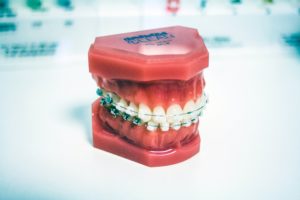
Pros of Wire Braces
1. Due to the brackets and wires being fixed or glued to the teeth, you can be confident that the treatment is working effectively.
2. Wire braces are ideal for closing large gaps within the mouth, or treating issues relating to the position of the jaw
3. This type of treatment is pretty durable, meaning there is a small chance of components breaking which could prolong treatment.
4. For children, and adults, you can choose different colored bands with each appointment to secure the wires to the brackets.
5. This is a customizable option that can work with any size of mouth, any degree of dental complexity for a person of any age.
Cons of Wire Braces
1. This type of treatment requires a strict and thorough teeth cleaning routine. This is because food is more likely to get stuck in between the brackets.
2. It is often advised that you avoid certain foods, such as candy or gum, to avoid any breakages.
3. If you require wire braces, the treatment can be longer in duration as there may be more complex dental issues to be corrected.
4. Wire braces cannot be removed during treatment, which can be a worry if a person has poor dental hygiene.
5. This option may not be as aesthetically pleasing if you are conscious about your smile.
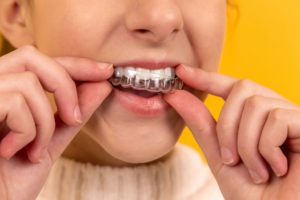
Pros of Clear Aligners
1. This option is far more aesthetically pleasing. As they’re pretty much invisible, the wearer doesn’t have to worry about feeling embarrassed by receiving treatment for their smile.
2. Aligners are not glued to your teeth, meaning you can remove them to eat or drink without getting food stuck in hard-to-reach places.
3. Clear aligners are often a faster treatment than wire braces.
4. Fewer trips to the dental office are required as clear retainers are much lower maintenance, i.e., there are no wires or brackets that could loosen over time.
5. A person can brush their teeth as normal.
Cons of Clear Aligners
1. Previous research has suggested that this type of aligner may not be as effective in treating more severe dental cases.
2. Clear retainers usually need to be worn for most of the day to achieve maximum performance. If a person is forgetful, this could lead to prolonged treatment.
3. Due to your teeth being moved into place by the aligner, when you take them out to eat, you could experience soreness.
4. There is a potential for hard, chewy foods to hinder the success of the treatment.
5. If a person has previously gotten bridgework on their teeth, the treatment may not be the most suitable option.
There are pros and cons to both, but it really comes down to each individual. What works for one person, might not work for another. However, if you only have minor concerns and are considering treatment purely for aesthetic benefit, you can make that decision for yourself.